Cadmatic Engineering: streamline your engineering data management
-
 Cadmatic Engineering
From disconnected spreadsheets to connected engineering
Cadmatic Engineering replaces scattered documents, spreadsheets, and disconnected databases with one centralized platform for engineering information.
With structured engineering data management, intelligent templates, and automation tools, you can ensure consistency, accuracy, and speed.
-
Centralized platform for engineering data
-
Generate consistent documentation automatically
-
Enable real-time collaboration between teams and disciplines

Why choose Cadmatic Engineering
-
Smart documentation
Create, edit, and update technical documents with automated formatting and built-in data validation.
-
Collaboration-ready
Enable seamless coordination between disciplines with shared data environments and task tracking.
-
Easy integrations
Connect to 3D design tools, control systems, and project databases for full data continuity.
Bringing your engineering data together for better collaboration and management
-
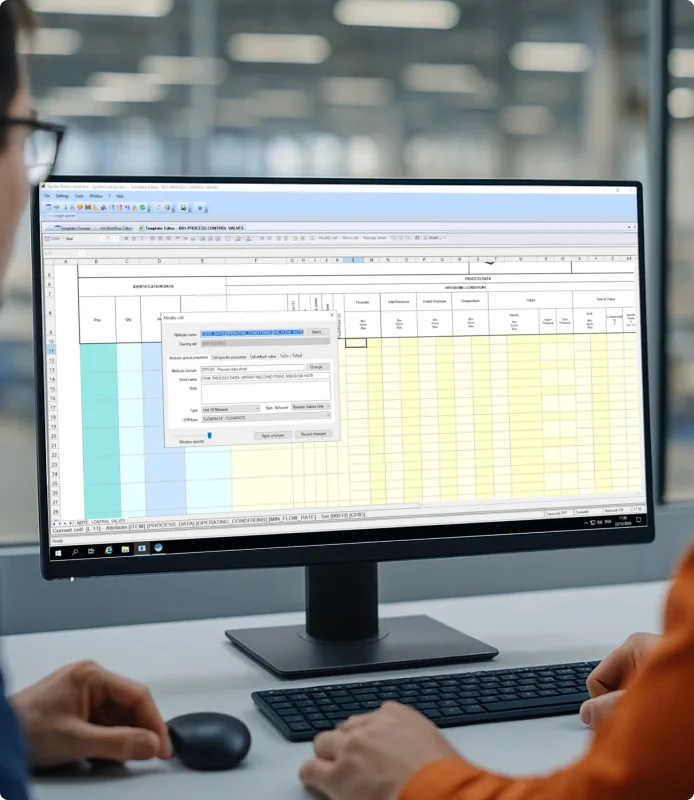
Unified data platform
Streamline your projects with centralized engineering data management.- Centralized data repository
- Integration with Cadmatic tools
- Version control
-
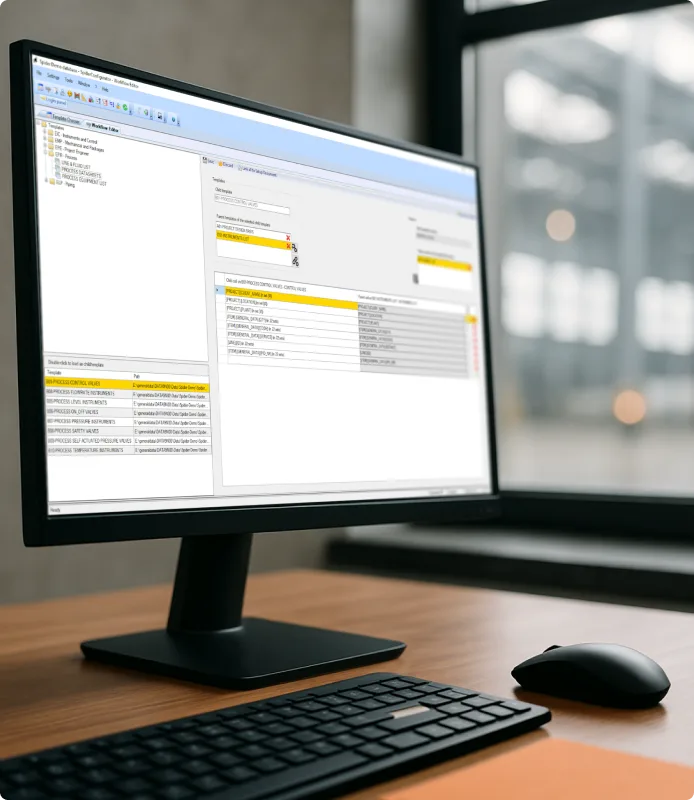
Enhanced collaboration and workflow efficiency
Facilitate teamwork and improve project outcomes.- Multi-user environment
- Role-based access control
- Automated reporting
Frequently asked questions
What is Cadmatic Engineering?
Cadmatic Engineering is an engineering data management platform designed to facilitate collaboration among multidisciplinary teams, such as process, mechanical, and instrumentation engineers. It centralizes project data, ensuring consistency and control across various engineering disciplines.
What is digital engineering?
Digital engineering refers to the use of connected digital tools and data throughout the engineering process, replacing paper-based or siloed workflows. In a digital engineering environment, design data, documents, and project information flow between teams and tools rather than being recreated or manually transferred at each stage.
Can Cadmatic Engineering be customized for different industries?
Yes, Cadmatic Engineering offers fully customizable data models and workflows, allowing adaptation to the specific needs of various industries. This flexibility ensures efficient management of project data tailored to industry-specific requirements.
How does Cadmatic Engineering enhance collaboration?
By providing a shared environment for engineering data, Cadmatic Engineering reduces miscommunications and streamlines project progress. Teams can work concurrently, share insights, and make informed decisions in real-time, fostering synergy among engineers, designers, and project managers.
Is Cadmatic Engineering suitable for cloud deployment?
Yes, Cadmatic Engineering can be implemented in the cloud, providing flexibility and scalability. Alternatively, it can be deployed on-premises, depending on your organization’s IT requirements.
What integration capabilities does Cadmatic Engineering offer?
Cadmatic Engineering includes a comprehensive set of APIs that facilitate seamless data exchange with both Cadmatic and external solutions, such as P&ID and process simulation software. This enhances interoperability and integrates the solution with your existing tech ecosystem.
What is the best software for engineering data management?
Cadmatic Engineering is Cadmatic’s solution for engineering data management, designed specifically for industrial plant and ship projects. It connects engineering documents, data sheets, transmittal workflows, and project information in a single managed environment.
What is an engineering data management system?
An engineering data management system is software that organizes, controls, and tracks the engineering documents and data produced across a project. This includes drawings, equipment data sheets, specifications, and transmittals, managed in a way that ensures the right people have access to the right version at the right time.
Why is engineering data management important?
Engineering data management matters because it keeps everyone working from accurate, up-to-date information. Without it, teams waste time locating the correct document version, changes get missed, and errors propagate into construction or procurement. A well-managed engineering data environment reduces rework and improves handover quality.